


fortune gems 4 | Exploring the Role of 'In-Game Store' in Modern Gaming: A Closer Look at 'Fortune Gems 4'
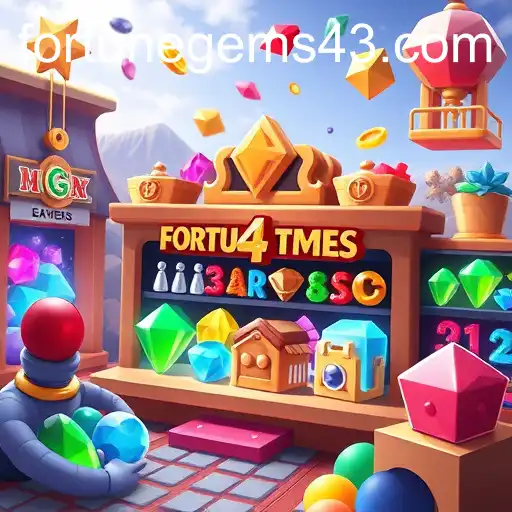
The gaming industry has seen a significant transformation with the advent of the 'In-Game Store' feature, which has become integral to both game development and user engagement. Games such as 'Fortune Gems 4' highlight the capabilities and features of modern in-game stores, offering players unique ways to enhance their gaming experience.
In the context of 'Fortune Gems 4', the in-game store serves as a marketplace where players can purchase various items such as gems, power-ups, and skins. This not only allows for personalized gameplay but also maintains player interest through regular updates and new content. The concept of microtransactions, prevalent in 'Fortune Gems 4', provides a revenue stream for developers, ensuring the continuous improvement and expansion of the game.
The significance of 'Fortune Gems 4' in illustrating the potential of in-game stores lies in its seamless integration of new features and items, which often align with season-based themes or special events. This strategy keeps the game dynamic and engaging, as players are motivated to invest in their in-game accomplishments and appearance. Moreover, seasonal events can bring a competitive edge as players strive to unlock limited-time items.
From a business perspective, the data insights obtained from the in-game store allow developers to understand player preferences and spending habits more effectively, enabling them to tailor experiences that maximize engagement. 'Fortune Gems 4', by leveraging its in-game store, provides a valuable case study on how virtual economies can trigger both competitive and cooperative interactions among players.
However, it's not without its critiques, as the model has sparked discussions on the ethics of microtransactions, especially concerning younger audiences. Balancing monetization with a fair playing environment remains crucial. Therefore, 'Fortune Gems 4', while exploiting the advantages of an in-game store, must continuously refine its approach to ensure it remains player-friendly and inclusive.
In conclusion, the in-game store category, exemplified by 'Fortune Gems 4', demonstrates significant impact in the gaming landscape. As games evolve, this feature will remain pivotal, shaping both player experiences and industry economics.
